SEE ALSO: The PEDALS™ Framework for System Design Questions
System design (SD) questions test one’s ability to build software systems from scratch. Here are some examples:
- Design an API for a payment provider.
- Design an order inventory system.
- Design a question and answer website like Quora.
- Create a back-end system that created unique IDs.
Who is likely to get a system design question?
Software engineers and software architects are most likely to get system design questions. Other roles can get SD questions including:
- Product Managers
- Technical Program Managers
- QA Testers
- Data Scientists
- Data Engineers
- Support Engineers
What are interviewers looking for in a system design interview?
Software engineers and architects are most likely to get system design (SD) questions. However, the following folks get SD questions too:
- Product Managers
- Technical Program Managers
- QA Testers
- Data Scientists
- Data Engineers
- Support Engineers
SD questions appear at the interview because the roles above play a big part in building software systems that scale. Unlike the pre-Internet era, a modern application must work across thousands of servers, ready to serve millions and perhaps billions of users.
Interviewers love SD questions because it tests a candidate’s ability to:
- Specify system requirements clearly
- Articulate the desired system behavior
- Specify constraints
- Contribute to technical brainstorming
- Point out technical drawbacks
- Decide between technical tradeoffs
As a result, during the SD question, the interviewer wants you to specify:
- The key services, preferably in RESTful API format
- Define the data model
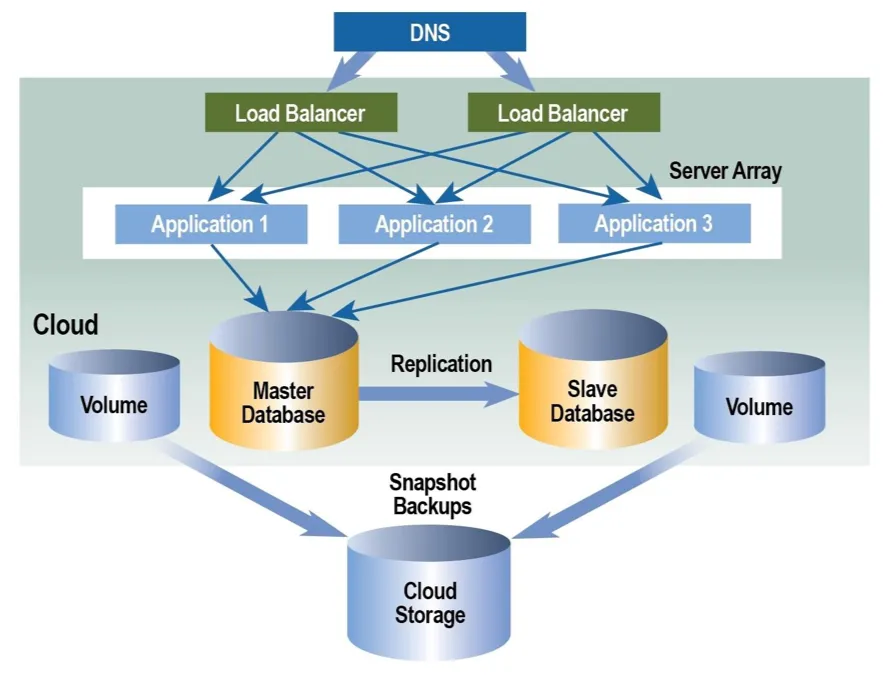
- Define the cloud architecture, with an emphasis on scale