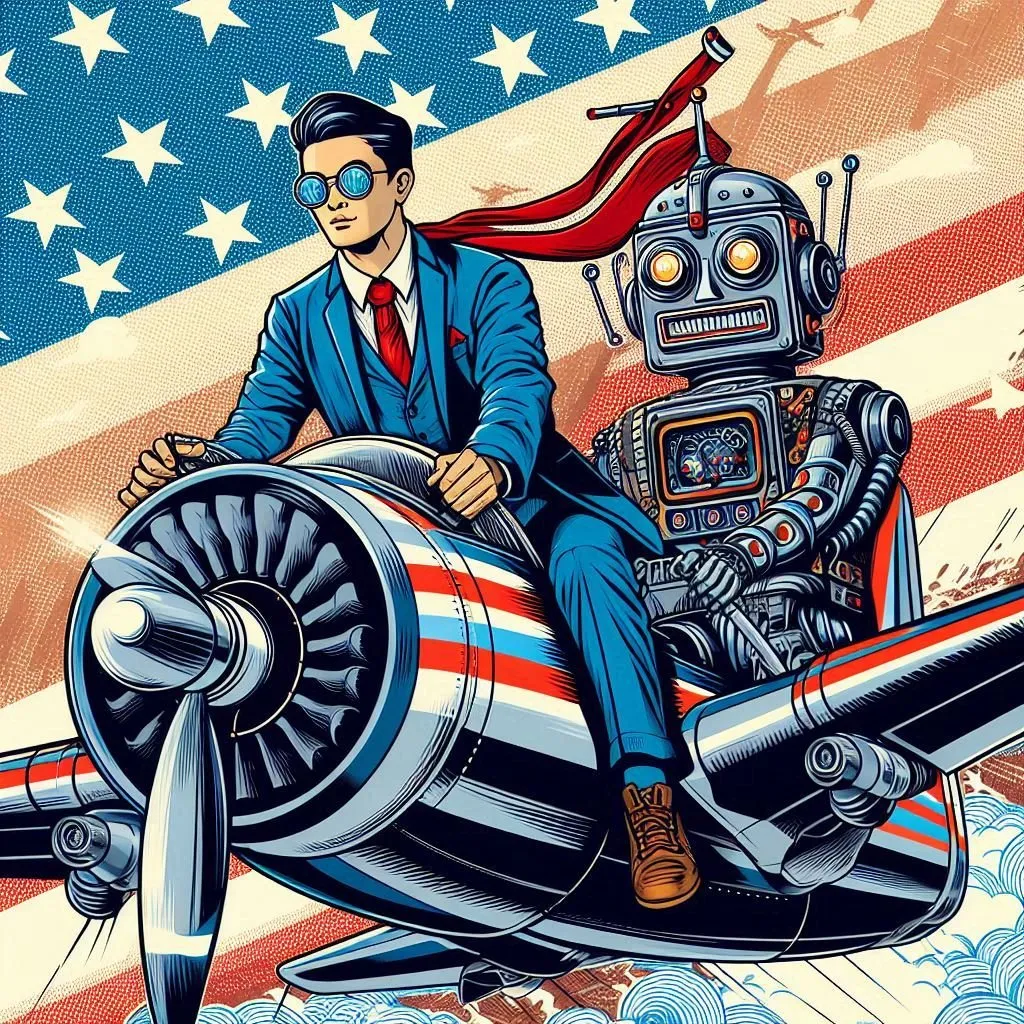
In the world of Marvel’s Avengers, Tony Stark’s AI assistant Jarvis is an ever-present force, quietly shaping the team’s success. Today, a similar revolution is unfolding in businesses across the globe, driven by Large Language Models (LLMs) and other AI technologies. Yet, this transformation often goes unnoticed or underappreciated. Let’s explore why this is happening and what it means for the future of work.
The Unseen Impact of AI
Every business is being transformed by the adoption of AI, particularly LLMs. These sophisticated systems are already fulfilling the role of a “Jarvis” for many professionals. However, their impact often flies under the radar due to several factors:
- The Dunning-Kruger Effect: We tend to overestimate human contributions and undervalue AI assistance. In reality, for those leveraging LLMs effectively, the AI might be responsible for 30-80% of the results achieved.
- Incomplete Behavior Modification: Many users haven’t fully adapted to working with AI assistants. Like the Avengers forgetting to ask Jarvis crucial questions during a missile attack, we’re often not utilizing AI to its full potential.
- Hollywood vs. Reality: Our expectations of AI have been shaped by movies, leading to unrealistic expectations. While Hollywood might depict Jarvis solving world peace with a single prompt, real-world applications require more nuanced interactions.
Real-World AI Transformation: Case Studies
To illustrate AI’s impact, let’s look at some concrete examples:
- Legal Industry: Law firms like Baker McKenzie are using AI to review contracts, cutting down review time by up to 90% and improving accuracy.
- Healthcare: Google DeepMind’s AlphaFold has revolutionized protein folding predictions, significantly accelerating drug discovery and understanding diseases at a molecular level.
- Customer Service: Bank of America has implemented an AI-powered virtual assistant named Erica, which has handled over 100 million client requests, improving customer satisfaction and operational efficiency.
Organizational Readiness: Key to AI Success
The success of AI adoption heavily depends on organizational factors:
- Leadership Buy-in: Executive support is crucial for driving AI initiatives and allocating necessary resources.
- Data Infrastructure: Organizations need robust data management systems to feed and train AI effectively.
- Skill Development: Employees need training to work alongside AI systems effectively.
- Ethical Considerations: Companies must establish clear guidelines for AI use to ensure responsible and unbiased implementation.
Measuring AI’s Impact
Quantifying AI’s contribution is challenging but essential. Some approaches include:
- Productivity Metrics: Tracking changes in output per employee or time saved on tasks.
- Error Reduction: Measuring decreases in mistakes or inefficiencies.
- ROI Calculations: Assessing the financial returns of AI investments against implementation costs.
- Customer Satisfaction: Monitoring improvements in customer experience and loyalty.
Overcoming Resistance to AI Adoption
Despite its potential, AI often faces resistance. Strategies to overcome this include:
- Education: Demystifying AI through workshops and training sessions.
- Gradual Implementation: Starting with small, high-impact projects to demonstrate value.
- Collaborative Approach: Involving employees in the AI adoption process to address concerns and gather insights.
- Emphasizing Augmentation: Framing AI as a tool to enhance human capabilities, not replace them.
The Path Forward
As we continue to integrate AI into our businesses, it’s crucial to remember that we’re still in the early stages of this revolution. Currently, we’re only using AI in about 5% of the instances where it could be beneficial. The key to unlocking its full potential lies in changing our behaviors, setting realistic expectations, and creating organizational structures that support AI adoption.
By addressing these challenges head-on, we can move towards a future where AI assistants like LLMs become as indispensable to our work as Jarvis is to the Avengers. The AI revolution isn’t just coming – it’s already here, quietly reshaping the business landscape. The question is: are we ready to embrace it fully?