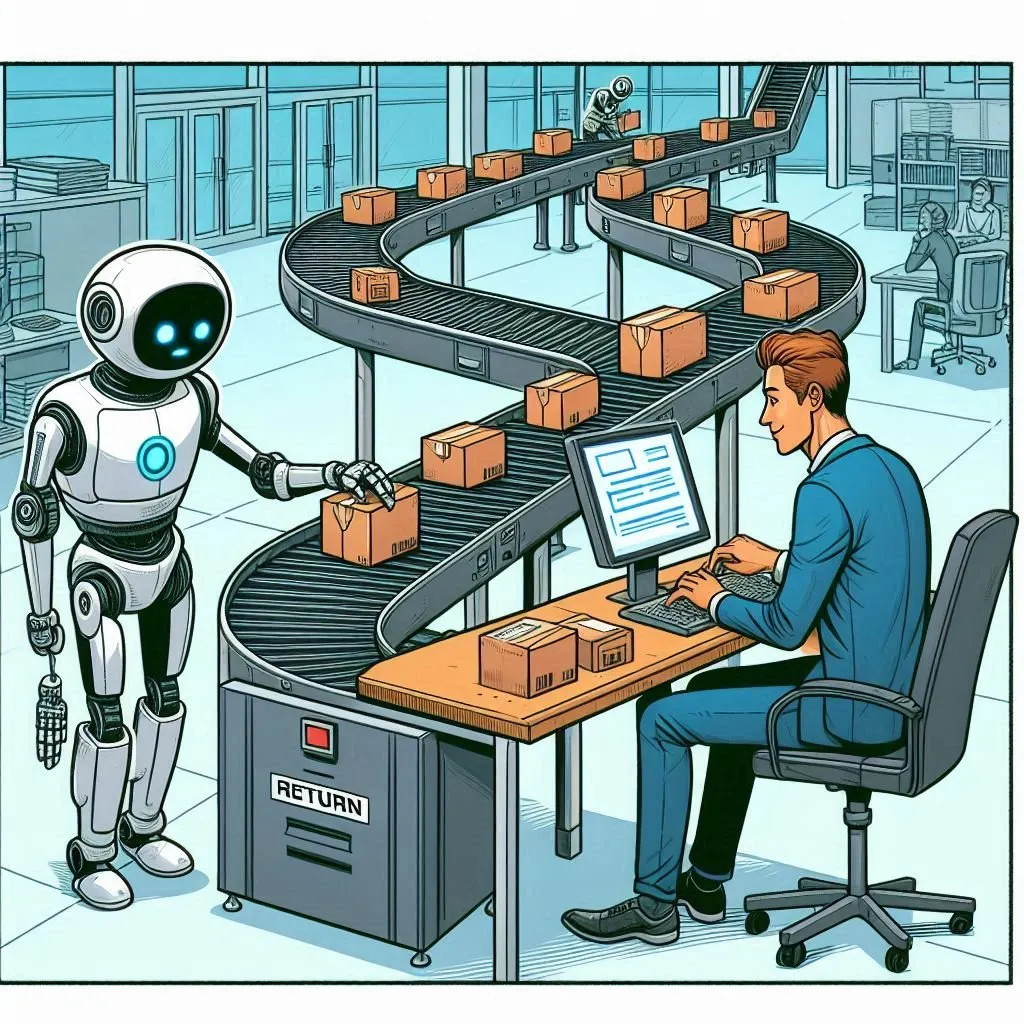
In the rapidly evolving world of artificial intelligence, Large Language Models (LLMs) have emerged as powerful tools capable of handling a wide range of tasks, from content creation to complex problem-solving. However, as impressive as these models are, there’s still a crucial role for human oversight in ensuring accuracy, reliability, and ethical use of AI. This is where Human-in-the-Loop (HITL) systems come into play. In this post, we’ll explore how to design effective HITL systems that leverage the strengths of both LLMs and human expertise.
Why Human-in-the-Loop Systems Matter
HITL systems are critical for several reasons:
- Ensuring accuracy and reliability: While LLMs are highly capable, they can sometimes produce errors or “hallucinations.” Human oversight helps catch and correct these issues.
- Handling edge cases and ambiguities: Real-world scenarios often present situations that AI models haven’t been trained on. Human judgment is invaluable in these cases.
- Maintaining ethical standards and accountability: Humans play a crucial role in ensuring AI outputs align with ethical guidelines and company policies.
- Leveraging human expertise: Some tasks require specialized knowledge or intuition that current AI models can’t replicate. HITL systems allow us to combine AI efficiency with human expertise.
Key Components of HITL Systems with LLMs
An effective HITL system typically includes:
- LLM integration: The core AI component that handles the bulk of the tasks.
- Task routing and prioritization: A system to determine which tasks need human review.
- Human interface design: An intuitive interface for human operators to review and modify AI outputs.
- Feedback mechanisms: Ways for humans to provide input that improves the AI’s performance over time.
- Learning and improvement cycles: Processes to continuously refine the system based on human feedback.
Designing the Workflow
When designing a HITL workflow:
- Identify critical decision points: Determine where human intervention is most valuable.
- Create clear escalation criteria: Define when and why tasks should be escalated to human review.
- Balance automation and human intervention: Aim to automate routine tasks while reserving human attention for complex decisions.
- Ensure smooth handoffs: Design seamless transitions between AI and human operators to maintain efficiency.
Implementing with Existing Tools: The Zendesk Example
One practical way to implement a HITL system is by integrating LLMs with a ticketing system like Zendesk. Here’s how it can work:
- Automated ticket creation: The LLM performs its task and creates a Zendesk ticket when it reaches a critical decision point.
- Human review process: Tickets are assigned to human reviewers who can approve, modify, or reject the AI’s proposed actions.
- Feedback loop: Human decisions are fed back into the AI system, helping it learn and improve over time.
- Audit trail: Zendesk provides a clear record of all actions taken, ensuring transparency and accountability.
This approach leverages existing infrastructure, making it both practical and cost-effective.
Best Practices for HITL System Design
To maximize the effectiveness of your HITL system:
- Clearly define roles and responsibilities: Ensure both AI and human operators understand their parts in the process.
- Train human operators effectively: Provide comprehensive training on working with AI outputs and making consistent decisions.
- Maintain consistency in decision-making: Develop clear guidelines for human reviewers to ensure uniformity in their approach.
- Continuously monitor and optimize: Regularly assess the system’s performance and make adjustments as needed.
Challenges and Considerations
Implementing HITL systems comes with its own set of challenges:
- Managing workload and avoiding fatigue: Design workflows that prevent human operators from becoming overwhelmed or fatigued.
- Ensuring data privacy and security: Implement robust security measures, especially when dealing with sensitive information.
- Addressing potential biases: Be aware of and mitigate biases in both AI outputs and human decisions.
- Scaling the system: Plan for how the HITL process will handle increasing task volumes over time.
Future Trends in HITL Systems with LLMs
As AI technology continues to advance, we can expect:
- Improved AI capabilities: LLMs will become more accurate, potentially reducing the need for human intervention in certain areas.
- New tools and platforms: Emergence of specialized tools designed specifically for HITL processes with LLMs.
- Evolving human roles: Human operators may shift towards more strategic oversight as AI handles increasingly complex tasks.
Conclusion
Human-in-the-Loop systems represent a powerful approach to leveraging the strengths of both AI and human expertise. By carefully designing these systems, organizations can harness the efficiency and scalability of LLMs while maintaining the critical elements of human judgment, creativity, and ethical oversight. As AI continues to evolve, the role of human oversight will remain crucial in ensuring these powerful tools are used effectively and responsibly.
Whether you’re just starting to explore AI implementation or looking to refine your existing processes, considering a HITL approach can help you strike the right balance between automation and human insight. By doing so, you’ll be well-positioned to make the most of what AI has to offer while maintaining the unique value that human expertise brings to the table.